How an Irish Pub NYC Visit Brings People Together
New York has no shortage of places to eat, drink, and pass an evening, but few settings create easy, immediate connection the way an Irish pub does. The best ones do more than pour a proper pint or serve a decent shepherd’s pie. They lower the social temperature. They give strangers a way to share space without pressure. They make regulars feel seen and newcomers feel less like newcomers.
That matters in a city where people often live shoulder to shoulder yet spend days sealed inside headphones, work schedules, and routines. A good Irish Pub NYC experience interrupts that pattern. It creates the rare urban moment where conversation starts naturally, where a solo visitor can feel part of a room, and where groups of friends, colleagues, families, tourists, and neighborhood regulars can all fit under the same roof without competing for the mood.
You can see it within minutes of walking in. There is usually a mix of people that would look improbable anywhere else. A construction crew finishing a shift, a pair of off-duty nurses, finance associates still in jackets and loafers, a visiting couple studying the whiskey shelf, and someone on the corner stool who has been coming in every Thursday for ten years. In many bars, those groups stay separate. In an Irish pub, they often share comments about the match on television, trade recommendations on what to order, or simply absorb the comfort of being in a room that does not demand performance.
The room does half the work
Atmosphere is an overused word in hospitality, but in this case it earns its keep. The physical setup of an Irish pub tends to invite contact instead of isolation. Long wooden bars, closely spaced tables, low lighting, and a measured level of noise all play a part. The room feels active, but not chaotic. There is enough sound to keep silence from feeling awkward, yet not so much that every conversation turns into shouting.
That balance matters more than people realize. In louder, trend-driven bars, groups often retreat inward because talking across the room is exhausting. In sparse cocktail lounges, the opposite problem appears. Every word feels overheard, every pause feels visible. The Irish pub sits in a useful middle ground. It offers privacy without separation.
Even small details contribute. Coats draped on chair backs, framed memorabilia on the wall, scuffed brass rails, and bartenders who know how to move quickly without rushing anyone all signal that the place is meant to be lived in, not merely consumed. Guests settle. They stay for another round. Time opens up, and that is usually when people begin to talk beyond the practical basics of ordering and paying.
I have seen this happen with almost comic consistency. Two strangers begin by asking whether a seat is taken. Ten minutes later they are discussing neighborhoods, old jobs, or where to find the best live music downtown. The pub did not force the interaction. It simply made it easy.
There is comfort in shared ritual
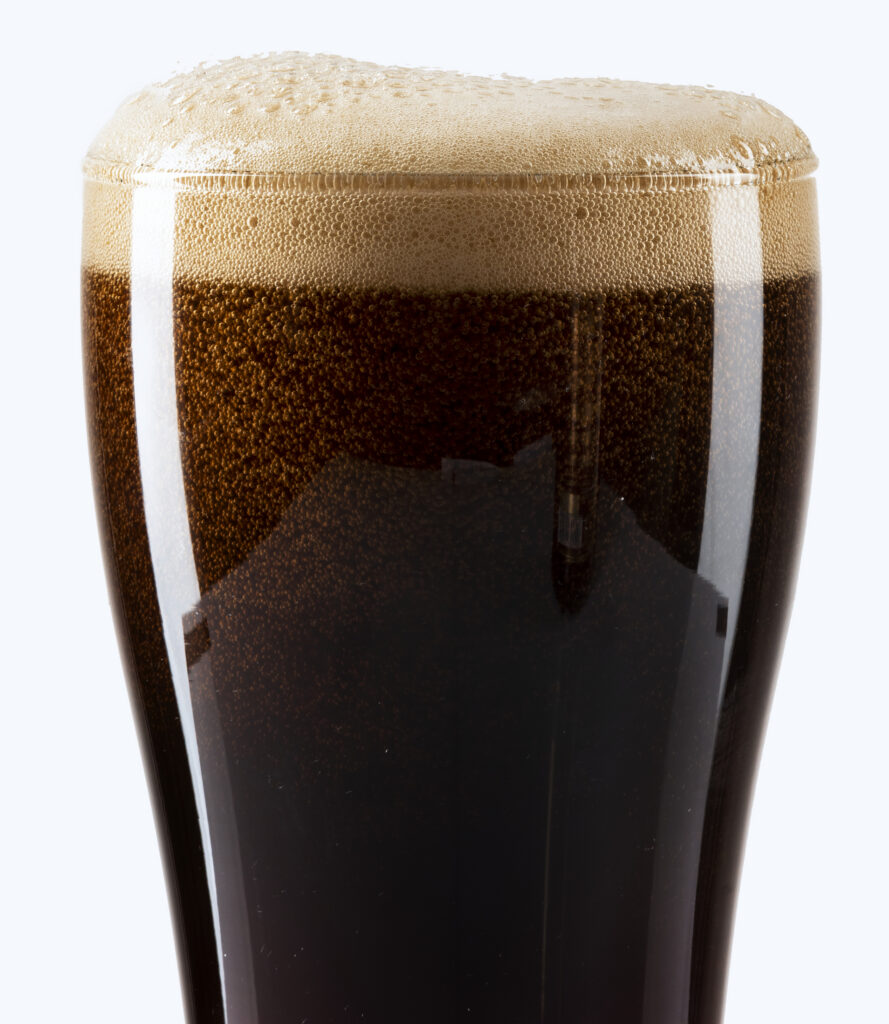
People bond through ritual faster than through novelty. That is one reason Irish pubs work so well in New York. For all the city’s appetite for the new, what many people need at the end of a long day is something familiar. The order of service, the style of food, the rhythm of the room, the way a Guinness settles in the glass, all of that creates a pattern people recognize.
Ritual lowers social friction. If everyone understands how the room works, there is less uncertainty. Friends can gather without elaborate planning. Coworkers can shift from office mode to personal conversation without the jolt of an overly formal venue. A person who comes alone does not feel adrift because there is a quiet script available: find a stool, order a drink, glance at the match, nod at the person next to you, and let the evening develop at its own pace.
This is especially important in New York, where schedules can be punishing and free time often comes in narrow windows. Not every social occasion can be a carefully orchestrated dinner reservation or a destination event in Brooklyn that takes forty minutes to reach. Sometimes people need a place that allows for spontaneity. “Meet me at the pub in twenty” works because the setting is dependable. No one needs a tutorial.
Food and drink create common ground
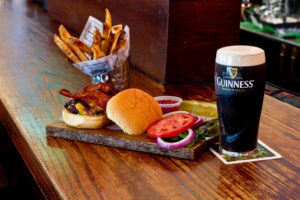
The menu in a strong Irish pub is not an afterthought. It is part of the social architecture. A shared plate of fries, a bowl of stew, fish and chips, bangers and mash, curry chips, soda bread with butter, these are foods that encourage staying put and sharing the table a little longer. They are hearty without being fussy. They invite conversation because they do not require attention as performance food often does.
The same principle applies to the bar. A well-poured pint is not just a beverage. It is a small act of hospitality that slows the pace and sets a tone. Whiskey flights can spark conversation among people with different levels of knowledge, from someone who can discuss distilleries in County Cork to someone simply curious about the difference between a blended Irish whiskey and a single malt. Beer choices do something similar. The regular who always orders the same stout and the visitor trying one for the first time now have something to talk about that does not feel forced.
In practice, shared food and drink often become the bridge between groups. A birthday table sends over a round to old friends at the bar. A bartender recommends the same pie to two separate couples, and a brief exchange follows. During a cold month, one person sees another ordering Irish coffee and decides that is exactly the right move. Little choices ripple outward.
Sports, music, and the permission to participate
One of the strongest social functions of an Irish pub is that it gives people a reason to react together. Live sports are the obvious example. Whether it is a Premier League morning, Six Nations rugby, Gaelic games, or a busy playoff night for a local New York team, the room gains a shared focus. People do not need to know each other well to cheer the same sequence, laugh at the same referee decision, or trade a quick prediction before halftime.
That https://waylonwpsc250.cavandoragh.org/why-tourists-search-for-the-best-irish-pub-nyc-has-nearby said, sports are only part of the story. Music can be just as important. Some pubs lean into traditional sessions, where fiddles and bodhráns create an atmosphere that is lively without becoming stage-managed. Others host singers who know how to read the room, blending Irish standards with familiar crowd favorites. When music is done well in a pub, it fills space rather than dominating it. People can listen, sing quietly, or keep talking. The key is participation without pressure.
There is a practical skill to this that experienced pub operators understand. Too much volume kills conversation. Music that is too slick can make the room feel like a set. Television screens everywhere can turn the place into a generic sports bar. The pub that brings people together best keeps all three elements in proportion. It offers enough stimulus to create common energy, while preserving the possibility of an actual human exchange.
A place where solo visitors are not out of place
This may be the pub’s most underrated strength. Many venues in New York punish solitude. Walk into a reservation-heavy restaurant alone on a Friday and you can feel like you have interrupted someone else’s plan. Enter a club-style bar by yourself and the room often reads you as either waiting for friends or looking to leave. A good Irish pub treats solo presence as entirely normal.
That changes everything for people who are new to the city, traveling for work, waiting out a delayed train, or simply wanting company without obligation. There is dignity in having a place where being alone does not feel like failing at social life. A solo guest can read, watch the room, eat dinner at the bar, chat if conversation arises, and head home feeling restored rather than exposed.
Over the years, many lasting relationships in New York have started that way. Not only romances, though those certainly happen. Friendships, business connections, apartment leads, creative collaborations, neighborhood familiarity, all of these grow out of repeated, low-stakes contact. Someone becomes “the person I see at the pub after work,” then “the person I talk to during Liverpool matches,” then eventually “the person who came to my birthday” or “the person who told me about a job opening.”
Cities depend on these weak ties more than most residents admit. Not every meaningful relationship begins as a deep bond. Often it begins as recognition.
The staff set the social tone
No design concept can compensate for detached service. In a real pub, the bartenders and servers do more than process orders. They read the room, remember names, defuse tension, make introductions when appropriate, and know when to leave people alone. That instinct cannot be faked for long.
The difference between competent service and genuine public-house hospitality is subtle but decisive. A bartender who remembers that a guest likes Smithwick’s, asks how their week went, and notices when they brought in a friend for the first time is helping build community one interaction at a time. A server who checks whether an older parent in the group needs a quieter table is doing the same. Those gestures create loyalty because they make people feel recognized rather than merely accommodated.
The better Irish pubs in New York also know how to handle mixed crowds gracefully. On a packed Saturday, that can mean balancing tourists who want a lively Manhattan night with locals who value consistency and neighborhood ease. It means keeping bachelor parties from overrunning the room, pacing large group orders so the bar does not jam, and making sure regulars are not treated as furniture just because they will come back anyway. These are operational details, but they are also social decisions. Done well, they protect the pub’s role as shared ground.
Why the neighborhood pub still matters in Manhattan, Queens, and beyond
The phrase “third place” gets used often because it names something real: a setting that is neither home nor work, where people gather regularly and build informal ties. New York has always relied on these spaces. Coffee shops play that role for some people. Parks do it in warmer months. Community centers and houses of worship still matter deeply. Yet the Irish pub occupies a distinct place in that ecosystem because it can hold multiple kinds of belonging at once.
In Manhattan, an Irish pub may serve office workers by day, theatergoers before curtain, and locals after midnight. In Queens or the Bronx, it may function more explicitly as a neighborhood anchor, where families celebrate milestones and old friends keep a weekly date. In Brooklyn, it may bridge older immigrant histories with newer residents looking for steadier forms of community than trend-driven nightlife provides. The outer appearance changes, but the social logic remains remarkably consistent.
What makes this model durable is its flexibility. A pub can host a wake gathering with sensitivity, then turn around the next week and hold a noisy match-day crowd. It can accommodate a first date, a retirement toast, a reunion, or a quiet dinner for one. Not many urban spaces perform all those roles credibly.
The Irish diaspora shaped the template, but the welcome is broader
It would be a mistake to flatten the meaning of the Irish pub into a decorative theme. In New York, these places carry history. Irish immigration helped shape the city politically, culturally, and institutionally over generations. Pubs became places where arrivals found work leads, housing tips, county associations, familiar accents, and relief from the strain of starting over. Some of that history remains visible in old photos, county jerseys, memorial plaques, and long-standing regulars whose families have been part of the neighborhood for decades.
At the same time, the best modern Irish Pub NYC spots are not museum pieces or closed circles. Their power comes from keeping the welcome broad. You do not need Irish ancestry to feel at home there. You do not need to know the songs or understand the rugby table. The room teaches you as you go. Someone explains what’s on the screen. A bartender points you toward a whiskey you might actually like. You learn the difference between a pub with soul and one that simply imported dark wood and called it authenticity.
That openness is one reason these spaces remain resilient while other nightlife concepts burn bright and vanish. Fashion ages quickly in New York. Hospitality rooted in recognition lasts.
Not every Irish pub gets this right
It is worth saying plainly that not every bar with Celtic script on the window creates connection. Some lean too hard on gimmickry. Others become tourist funnels with high volume and low warmth. A few treat the Irish identity as a costume rather than a culture of hospitality. When that happens, the pub loses the very quality that should distinguish it.
The strongest signs of a good place are usually ordinary. People of different ages seem comfortable there. Staff speak to guests like humans, not transactions. The food is taken seriously. The room has a rhythm that feels lived in rather than manufactured. Regulars are present, but they do not make newcomers feel they wandered into a private club. If live music is offered, it supports the room instead of swallowing it. If sports are on, the event energizes the space without making all non-fans feel trapped.
You can usually sense the difference in the first half hour. In a weaker venue, everyone seems to be enduring the same room separately. In a stronger one, the room behaves like a temporary commons.
Small moments that add up to belonging
The social magic of a pub rarely arrives in dramatic fashion. More often it is built from tiny, repeatable moments. Someone squeezes over to make room at the bar. A stranger says, “You’ll want the pie, it’s the best thing here.” A server remembers an anniversary from the year before. Two tables applaud when a musician starts a song half the room knows. A person who came in looking worn down leaves visibly lighter.
These moments can sound sentimental when described abstractly, but they are practical, even material, in their effects. They reduce loneliness. They create routine. They give neighborhoods continuity. They offer a place where celebration and grief can both be held without much explanation. In a city that often measures value by speed, ambition, and novelty, that kind of social steadiness is easy to underestimate.
It also has economic implications. Pubs that foster real connection tend to survive because they generate repeat business rooted in trust, not one-time hype. Guests return for the intangible experience as much as the menu. That consistency supports staff retention, stable local employment, and neighborhood identity. In hospitality terms, community is not just a feeling. It is a durable business asset when handled honestly.
Why people keep coming back
People return to an Irish pub in New York for many reasons, and often they are not the reasons they mention first. They may say the Guinness is excellent, the burger is reliable, the match coverage is better than elsewhere, or the location is convenient after work. All of that may be true. But beneath those practical reasons is usually something more human. They return because the place helps them feel stitched back into social life.
Sometimes that means meeting old friends halfway between subway lines. Sometimes it means having one room in the city where the bartender knows your name. Sometimes it means bringing visiting family somewhere that will satisfy different generations at once. Sometimes it means stepping inside on a rainy Tuesday and finding that the room asks almost nothing of you except that you sit down, order what sounds good, and let the evening unfold.
For a city famous for reinvention, there is something quietly powerful about places that preserve continuity. The Irish pub does that without making a show of it. It brings people together not through spectacle, but through steadiness, warmth, and the simple craft of making shared space feel natural. That is harder to achieve than any elaborate nightlife concept, and far more valuable once you have found it.
A memorable Irish Pub NYC visit is not only about what is poured into the glass. It is about what forms around the glass: the conversation, the recognition, the laughter from the next table, the song half the room joins, the sense that for a couple of hours the city has become smaller and friendlier. That is why the format endures, and why people keep opening the door, scanning the room, and deciding, almost immediately, that they are glad they came.
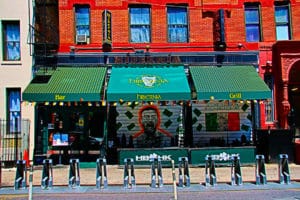
Hibernia Bar
401 W 50th St
New York, NY 10019, United States
Phone: +1 212-969-9703
FAQ About Irish Pub NYC
What is the best Irish pub in NYC?
The best choice depends on your location and preferred atmosphere. Hibernia Bar is a neighborhood Irish pub in Hell's Kitchen offering Guinness, Irish whiskey, pub food, and sports viewing.
Where do Irish people go in NYC?
New York's Irish community gathers in many neighborhoods and venues. Hibernia Bar welcomes Irish expats, local residents, and visitors at 401 W 50th St, just off Ninth Avenue.
Where can I watch GAA games in New York?
Hibernia Bar lists GAA among the sports it shows. Call +1 212-969-9703 to confirm coverage and opening times for a particular match before visiting.
What is the difference between a bar and a sports bar?
A sports bar emphasizes televised games and a shared viewing atmosphere. Hibernia combines sports viewing with the food, drinks, and hospitality of a neighborhood Irish pub.