Where Professionals Go for the Best Bar NYC Happy Hour
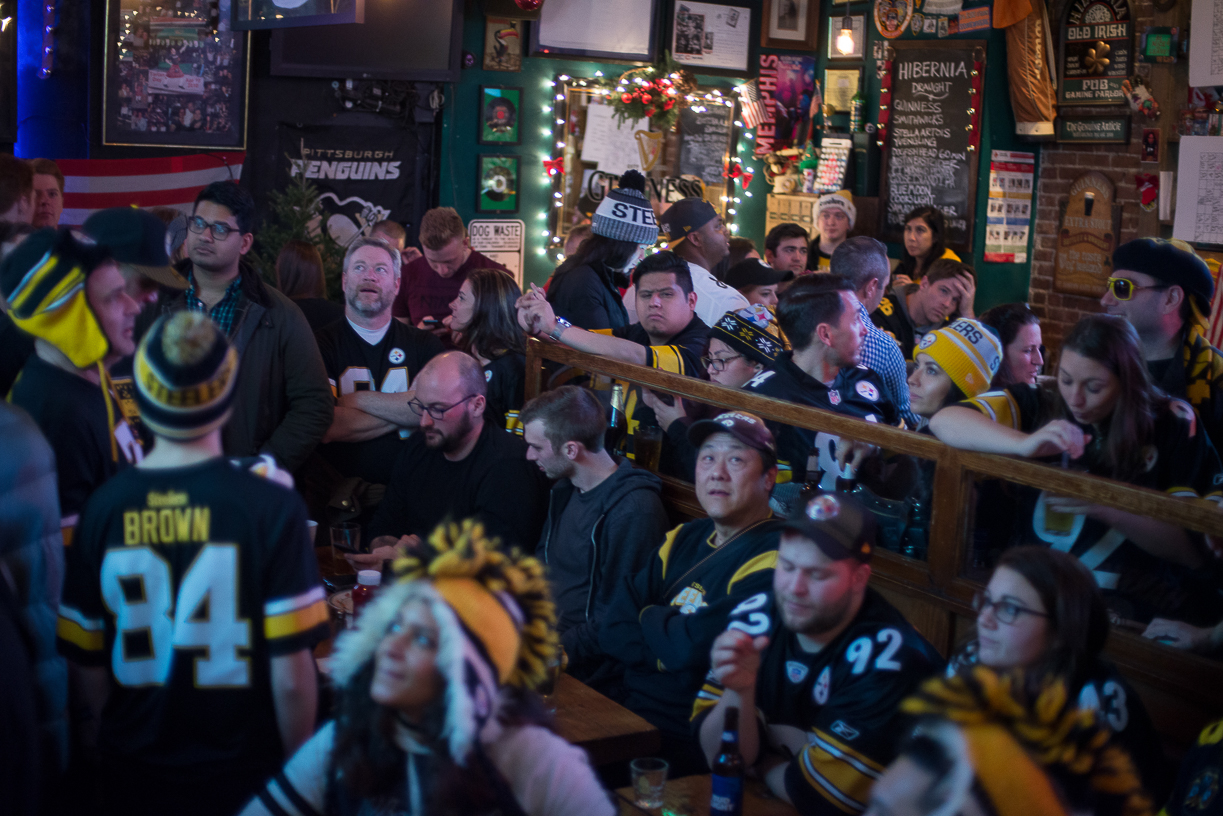
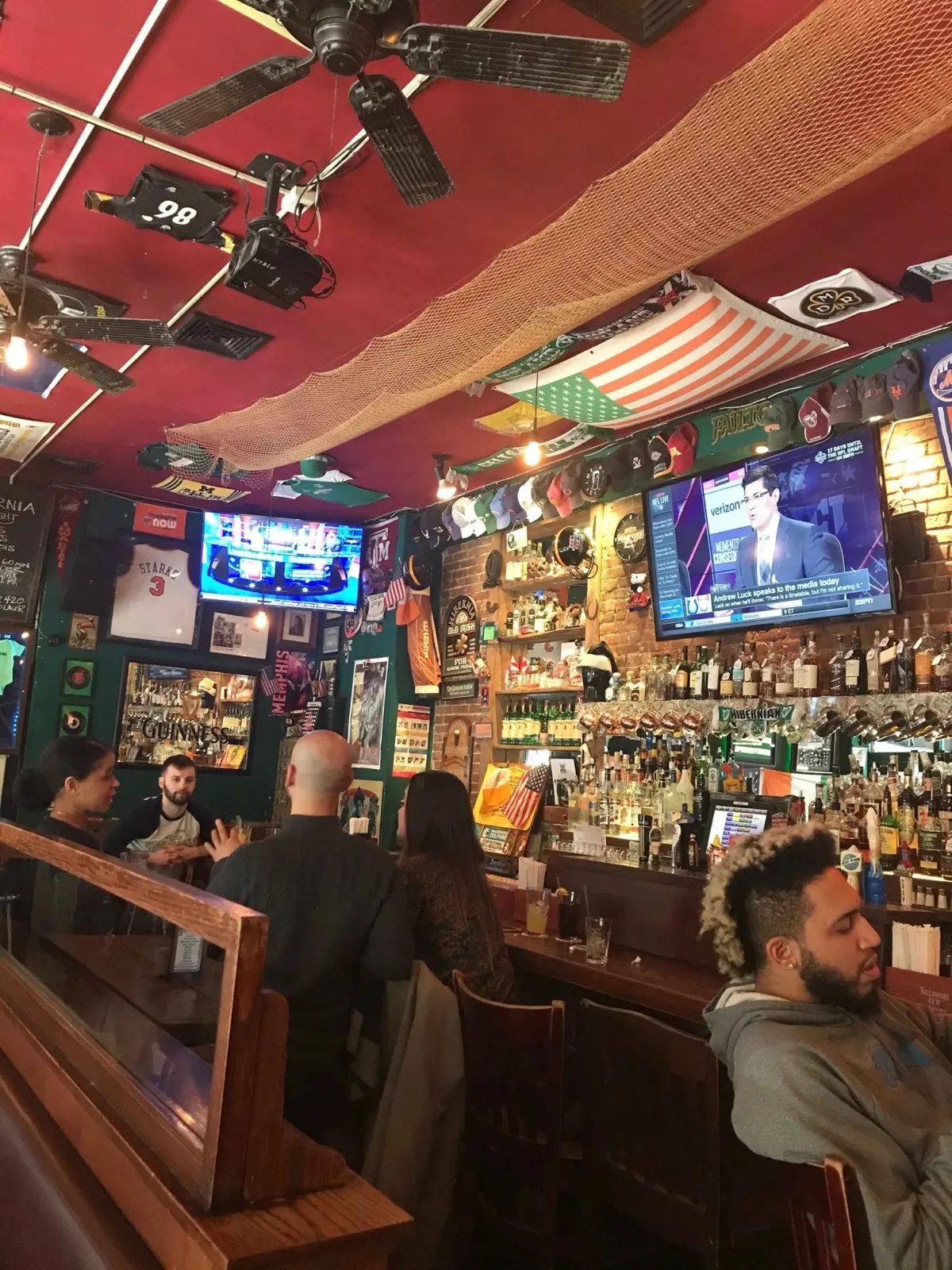
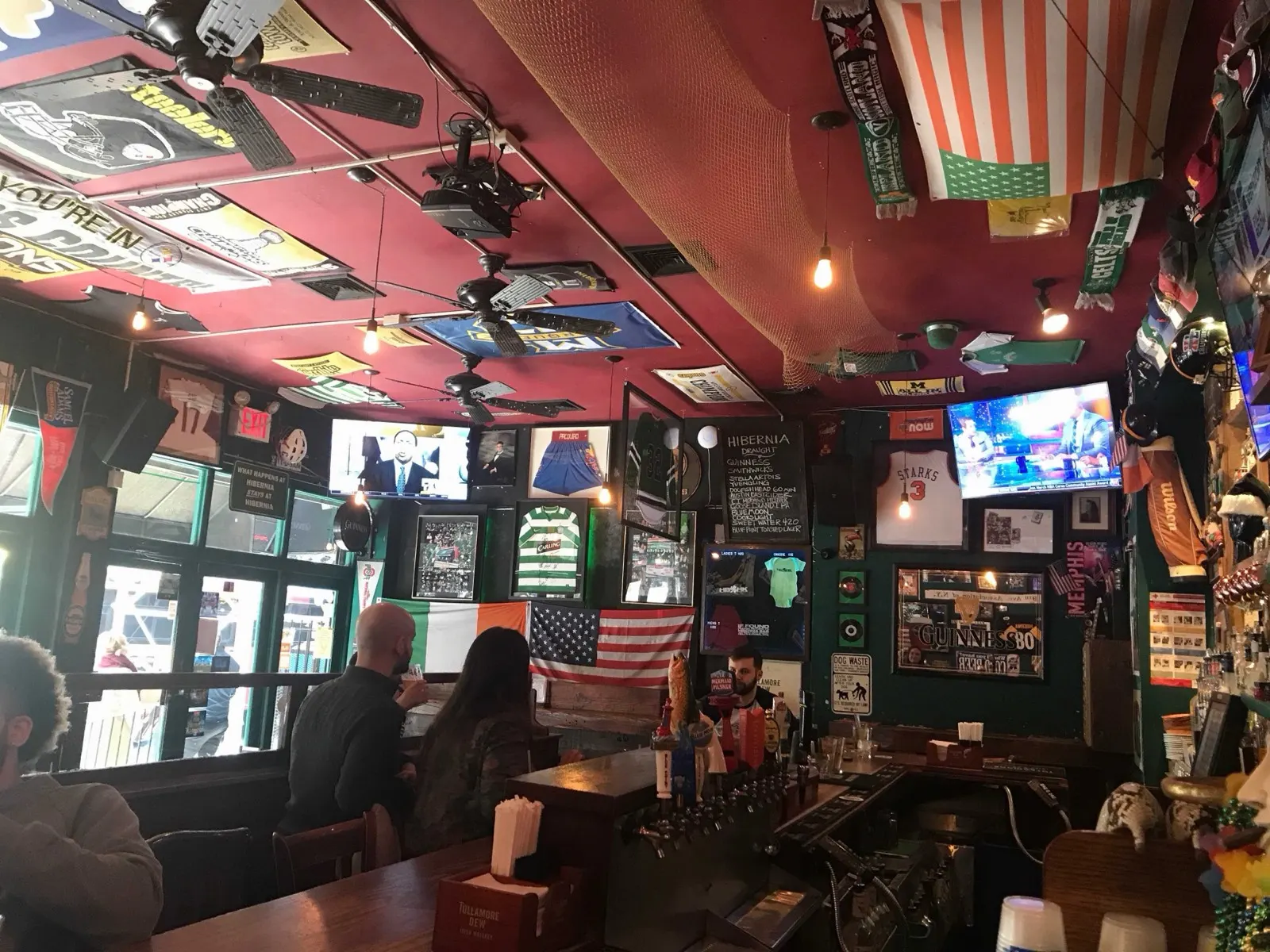
There is a particular kind of New York hour that belongs to working people. It starts when the inbox finally slows, when the last meeting runs two minutes over, and when half a floor quietly decides that whatever is left can wait until morning. That hour sends people into elevators, onto sidewalks, and toward the bars that understand exactly what they need.
Not every happy hour earns a loyal professional crowd. Some places are too loud too early. Some lean so heavily on cheap specials that they forget the basics, like pacing service, keeping the room comfortable, or pouring a drink worth ordering twice. The best happy hour in a Bar NYC setting is not simply about a discounted martini. It is about precision. It is about knowing the difference between a spot for blowing off steam with a deal team and a spot for a discreet catch-up with a client. It is also about time. In Manhattan especially, a place that can get a drink in your hand within six minutes has a competitive advantage that no candlelight can replace.
After years of client dinners, industry mixers, and more after-work meetups than I can count, I have learned that professionals gravitate toward the same kind of places, even when their industries differ. Finance, law, media, tech, consulting, real estate, advertising, publishing, and hospitality people all think they want something unique. What they actually want is reliable excellence with the right mood at the right hour.
What makes a happy hour truly professional-friendly
The phrase "best happy hour" gets thrown around casually, but professionals tend to judge bars by a narrower, tougher standard. Price matters, of course. Nobody complains about a solid beer at six or seven dollars, or a house wine that stays under ten, especially in core Manhattan business districts where menu prices can climb quickly. Still, value is not the same thing as being cheap.
A strong happy hour for working people usually gets four things right at once. First, the room has enough energy to feel alive, but not so much that conversation becomes work. Second, the menu moves quickly. That does not mean rushed service. It means the staff knows the 5:00 p.m. Crowd has somewhere to be, even if that somewhere is just home. Third, the drinks are consistent. Professionals notice when the first old fashioned is balanced and the second comes out syrupy. Fourth, there is some social flexibility. A good place works whether you are meeting one colleague or eight.
Here is the short version of what professionals typically look for:
- Fast first-round service
- Comfortable noise levels between 5:00 and 7:00 p.m.
- Drinks and snacks priced with real value, not token discounts
- Seating that supports conversation, not just standing room
- A location within easy walking distance of office corridors or transit hubs
The bars that miss on any two of those often lose the repeat crowd. People may try them once, but they do not become habit.
Why location shapes the whole experience
When people talk about a Bar NYC scene, they sometimes flatten the city into one nightlife map. In practice, happy hour depends heavily on the neighborhood. A Financial District bar and a Flatiron bar may both offer oysters and spritzes, but the crowd behavior is completely different.
In the Financial District, the strongest happy hour bars know that timing is compressed. People are more likely to arrive in groups, often straight from the office, and they tend to order quickly. You see more dark jackets, more concentrated bursts of volume, and more exits by 7:15 p.m. These bars do well when they can handle pace without feeling transactional. A polished room helps, but so does a bartender who reads urgency correctly.
Midtown has a different challenge. It serves office workers, hotel guests, theatergoers, and tourists all at once. The best Midtown happy hour spots create lanes. There may be a bar rail for solo guests, small tables for work friends, and a tucked-away section where two people can actually hear each other. If a Midtown bar cannot separate those energies, the professional crowd usually peels off elsewhere after one round.
Flatiron and NoMad attract a broad after-work mix, often younger on average, with people willing to linger longer. Here, menu quality matters more because one drink can turn into dinner. A place that nails a burger, a crudo, or a few excellent small plates can own the whole evening. Professionals in these neighborhoods often want optionality. They may start with colleagues and end up meeting friends.
The West Village and Soho offer a more social, less office-tower energy. These neighborhoods can be excellent for relationship-building, especially if the occasion is less formal. They are not always ideal for large spontaneous groups, and they can be less forgiving if you show up without a reservation or if the room is packed by 6:30 p.m. The trade-off is ambiance. If you need a memorable setting, these neighborhoods often deliver.
The best bars understand the unwritten office psychology
There is an emotional rhythm to happy hour that good operators understand instinctively. Most professionals walking in at 5:40 p.m. Are carrying some residue from the workday. Maybe a deal slipped. Maybe a presentation landed beautifully. Maybe a manager said, "Quick question," at 4:58 p.m. And stole thirty minutes. The bar that wins this crowd does not just serve drinks. It resets the nervous system.
That usually starts with the front-of-house. You can feel the difference within seconds. Is there a host who can absorb a cluster of six without making them feel like a burden? Is the staff calm under pressure? Are people being waved vaguely toward a corner, or actually helped? Small acts matter here. Clearing room on a high-top. Getting water down without asking. Offering a quick menu recommendation instead of reciting the whole beverage program. Professionals remember competence because it mirrors the thing they spend all day valuing in others.
Lighting matters more than many owners think. Too bright, and nobody relaxes. Too dark, and it feels like a date bar at the wrong hour. The sweet spot is flattering but practical. You should be able to read a menu and recognize the person across from you without using your phone as a flashlight.
Music matters too. The best happy hour bars treat sound as architecture. A playlist can create momentum, but volume has to be managed carefully. A room that is comfortable at 5:15 p.m. Can become exhausting by 6:20 p.m. Once every seat fills. Experienced professionals notice this even when they cannot name it. They simply decide that one place "works" and another somehow does not.
Drinks that justify the stop
Discounted drinks are easy to advertise and harder to execute well. There are plenty of bars in New York where happy hour technically exists, but the offerings feel like leftovers from a better menu. House wine served too warm, cocktails cut with premix, draft lines that should have been cleaned a week earlier, limp fries pretending to be a perk. Those places are counting on foot traffic rather than loyalty.
The bars professionals return to take a different approach. They usually narrow the special to the items they can execute repeatedly under pressure. Maybe it is two wines, one light beer, one local IPA, a gin spritz, and a properly made martini variation. That kind of restraint is often a good sign. It suggests the team understands throughput and quality control.
A very good happy hour cocktail in New York often lands in the $10 to $14 range, depending on the neighborhood and style of bar. Beer might range from $6 to $9, wine from $8 to $12, and small plates anywhere from the high single digits into the mid-teens. That is broad because New York is broad. The key question is not whether a price is low. It is whether the drink feels worth ordering again.
Food deserves more credit in this conversation. Professionals often arrive hungry, and hunger changes group dynamics fast. One under-ordered table can become an over-drinking table within twenty minutes. The best bars solve this with practical food, not precious food. A well-salted fry, a competent burger, good olives, warm nuts, fresh oysters if the turnover is high enough, or a sharp flatbread that actually comes out crisp. These items keep the mood stable. They also make the bar feel hospitable rather than opportunistic.
The difference between a networking bar and a decompression bar
Not every after-work drink has the same purpose, and seasoned New Yorkers choose accordingly. This is where the "best" happy hour becomes situational.
A networking bar benefits from circulation. People should be able to move, greet others, and hold brief conversations without blocking a service path or shouting over a DJ. Standing room is acceptable, even useful, if the room is laid out intelligently. You want enough openness that one introduction can become three. These bars tend to do well near industry hubs and in neighborhoods where workers from multiple companies overlap.
A decompression bar is different. People go there to sit down, exhale, and talk in full sentences. Booths, banquettes, and defined seating become more valuable. Service cadence should be attentive but not interruptive. If you Hibernia Bar Bar NYC are unwinding after a long day with one trusted colleague or meeting a client who values privacy, this type of bar is usually the better call.
The mistake many people make is choosing the wrong environment for the goal. I have seen teams try to celebrate a closing dinner in bars built for drift and mingle, only to spend the first forty minutes trying to find space. I have also watched founders bring potential investors into bars with deafening playlists, where everyone smiled politely and escaped after one drink. The venue does not do the relationship-building by itself, but it can absolutely make it easier or harder.
Why regulars quietly dominate the best rooms
One of the clearest markers of a strong happy hour spot is the presence of regulars who are not trying to be seen. They come in around the same time each week. Staff greet them by name, or at least by drink. They know where to stand without clogging the entry. They are not loud, but they shape the room.
Professionals trust regulars more than social media buzz. A place can trend online for a week and still be terrible at 6:00 p.m. On a Wednesday. A bar that pulls a stable after-work crowd over months or years has usually earned it through operational discipline. This is especially true in New York, where convenience alone is not enough to create loyalty. There are simply too many alternatives.
If you are evaluating a new place, watch the room for ten minutes before committing. Are there solo guests reading messages over one drink before heading home? Are there pairs in real conversation, not just performing a good time? Are the bartenders making eye contact and moving with confidence? These signals tell you more than a glossy cocktail photo ever will.
When the best happy hour is not the cheapest one
This point is worth stressing because it saves time and disappointment. Many professionals, especially early in their careers, equate the best happy hour with the steepest discount. I understand the instinct. New York is expensive, and nobody wants to overpay for mediocrity. But the cheapest room is often expensive in another currency, your evening.
If you spend twenty minutes waiting to order, raise your voice for an hour, and then settle a messy split check while squeezed between strangers, you did not get a bargain. You bought frustration at a promotional rate.
The better approach is to think in terms of total value. A slightly more expensive bar that gets seating right, keeps service sharp, and offers food you actually want can turn one hour into a productive, enjoyable part of the week. That matters for morale, relationships, and simple sanity.
This is especially true if clients or senior colleagues are involved. Nobody remembers that you saved four dollars on a Negroni. They do remember whether the place felt smart, comfortable, and well chosen.
Timing is everything, especially on Thursdays
If there is one practical truth about happy hour in New York, it is that timing beats almost every other strategy. A very good bar can feel perfect at 5:10 p.m. And impossible at 6:25 p.m. Thursday is the biggest swing day in many business neighborhoods. Hybrid schedules have changed patterns somewhat, but Thursdays still tend to concentrate office socializing. Tuesday and Wednesday often offer a more balanced experience.
A few habits make the difference:
- Arrive earlier than you think you need to, especially for groups larger than four
- If the bar takes reservations for happy hour, use them when the occasion matters
- Order at least one shared snack quickly, even if dinner plans are undecided
- Choose your neighborhood based on where the group is finishing work, not where someone read about online
- Have a second option within a five to ten minute walk
That last point comes from experience. New York rewards flexibility. Even excellent planning can be defeated by a private event, weather shift, transit snag, or a room that simply filled faster than expected. Professionals who host well almost always have a fallback.
How to judge a bar within one round
You do not need a whole evening to tell whether a happy hour spot deserves a return. By the time the first round hits the table, most of the important information is already available.
Start with pacing. Did the staff acknowledge you promptly? You can forgive a brief wait in a packed room, but not confusion. Next, assess comfort. Are you leaning awkwardly because the table is too small for drinks and plates? Are you turning your body every thirty seconds to avoid bumping someone? Minor physical irritations add up quickly in crowded New York bars.
Then look at what the room is doing to conversation. If people are smiling but not actually speaking much, the environment may be aesthetically appealing while functionally poor. A true happy hour bar for professionals has to support interaction. That is the whole point.
Finally, pay attention to the close. The best bars do not stumble at the check. They know how to manage multiple cards, company receipts, and the mild indecision that emerges when one person wants another round and two people need to catch trains. Smooth endings matter because professionals are always measuring friction, whether they realize it or not.
The bars that keep winning
When a bar becomes a dependable happy hour destination for professionals, it usually does so quietly. It rarely needs to advertise itself as the hottest place in town. Instead, it develops a reputation in small conversations, the kind that happen in office kitchens, outside conference rooms, and in texts sent around 4:30 p.m. With a simple question: same spot?
That reputation rests on habits more than hype. Solid pours. Staff who stay composed. Music that supports the room instead of dominating it. Food that stabilizes the evening. A layout that gives groups choices. Prices that feel fair for the experience. Most of all, it rests on understanding the working life of New York, its urgency, its fatigue, its ambition, and its occasional need to step away from all three for ninety minutes.
For anyone searching for the best Bar NYC happy hour, that is the real standard. Not the loudest launch, not the trendiest glassware, not the biggest markdown. The best places are the ones professionals trust with the hour after work, the most contested and revealing hour in the city. That trust is hard to earn and easy to lose. The bars that keep it become part of how New York works.
Hibernia Bar
401 W 50th St
New York, NY 10019
(212) 969-9703
FAQ About Bar NYC
What is there to do in Hell's Kitchen, NYC?
Explore the restaurants and bars along Ninth Avenue, catch a Broadway show nearby, or visit the Intrepid Museum on the Hudson River. Hibernia Bar is at West 50th Street and Ninth Avenue, a convenient stop before or after a show.
What are some bars in New York City that serve good food?
Hibernia Bar in Hell's Kitchen serves wings, burgers, fish and chips, and shepherd's pie. Its kitchen lists a 2 a.m. closing time, which makes it an option for dinner after a show or a game.
How far is Hell's Kitchen from Times Square?
Hell's Kitchen is just west of Times Square. From Broadway and West 45th Street, Hibernia Bar is roughly 0.6 miles away, or about a 12-minute walk depending on crowds.